
How to Support Your Child’s Emotional Wellbeing Through Art
May 27, 2026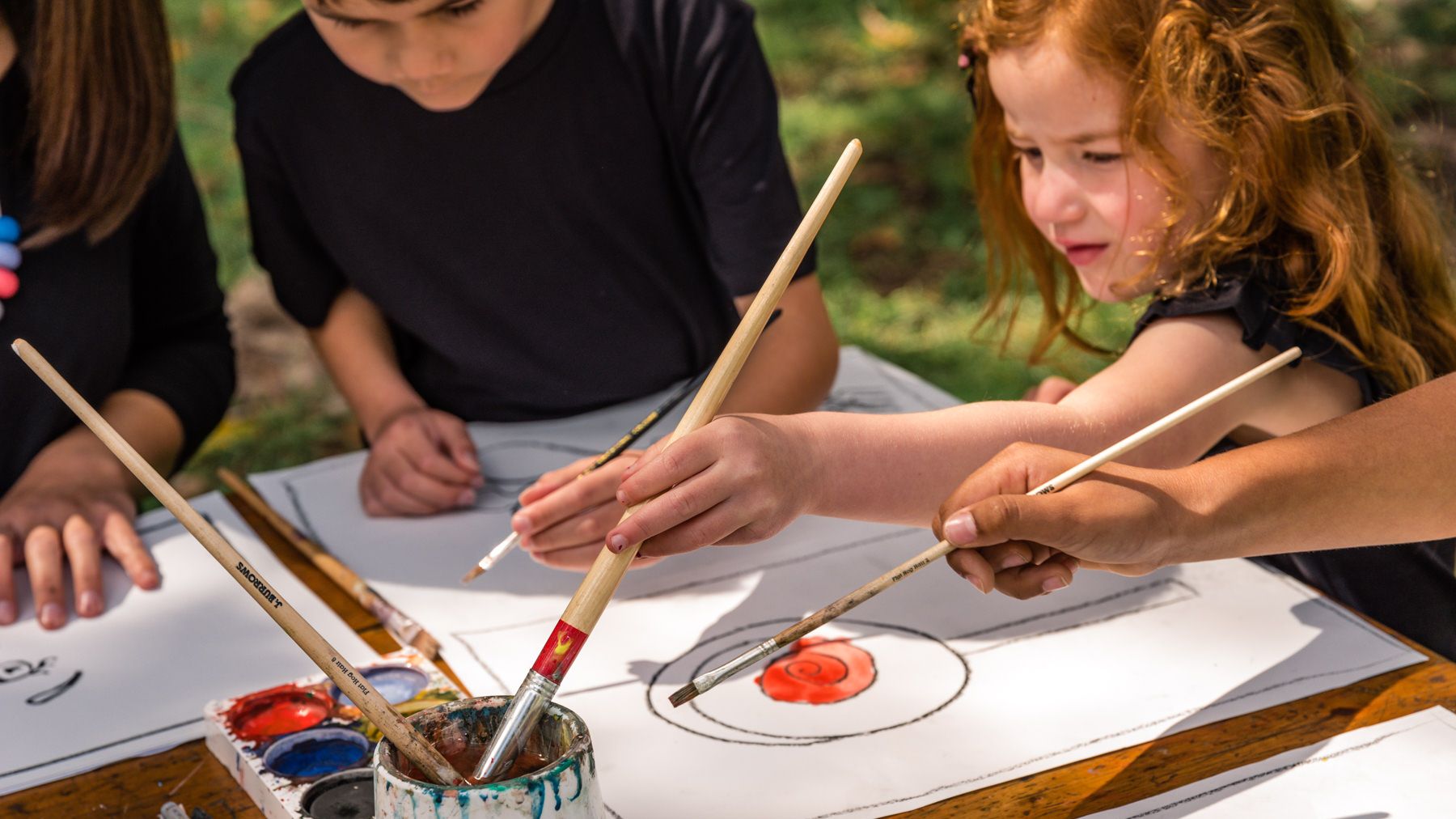
Children feel big things.
They can feel excited, worried, frustrated, proud, overwhelmed, curious, disappointed and joyful — sometimes all in one afternoon.
As parents and teachers, we often want to help children talk about what they are feeling. But for many children, words do not always come first. Sometimes they need a quieter, gentler way to process their emotions.
That is where art can help.
Art gives children a way to slow down, focus their attention and express themselves without needing to explain everything perfectly. Whether they are drawing, painting, colouring or simply making marks on a page, creative time can become one of the most calming emotional wellbeing activities for kids.
At Artventure, we believe art is not only about the finished picture. It is also about the process: watching, listening, noticing, trying, pausing, starting again and feeling proud of what has been created.
Why art supports emotional wellbeing
Art can help children feel calmer because it gives their mind and body something steady to focus on.
When a child follows a simple creative activity, they are using their hands, eyes and imagination together. This can help them settle into the present moment. Instead of rushing ahead or worrying about what comes next, they can focus on one small step at a time.
This is one reason mindfulness art for children can be so powerful. It does not need to be complicated. A child might focus on the shape of a leaf, the pattern on an animal, the movement of a brush, or the feeling of colour spreading across the page.
These small moments of attention can help children:
- slow their breathing
- feel more grounded
- express feelings safely
- build patience and focus
- develop confidence through trying
- feel a sense of achievement
Art gives children a quiet space to be with themselves.
Creative activities can help children name and understand emotions
Children do not always know how to say, “I feel nervous,” or “I need a break,” or “I am disappointed.”
But they might be able to draw a stormy sky, choose a soft blue, make a small animal hiding in the grass, or create a bright, bold picture that feels energetic and strong.
These choices matter.
Art can help children explore emotions in a way that feels safe. They do not have to explain everything. They can simply create. Over time, this can help them recognise what different feelings look and feel like.
You might gently ask:
“What colours felt good to use today?”
“What part of your picture do you like most?”
“Does your artwork feel calm, busy, brave, happy or something else?”
“What was your favourite part of making it?”
The goal is not to analyse the child’s artwork. The goal is to give them space to notice, reflect and feel heard.
Art can become part of a calming routine
One of the best ways to use art for emotional wellbeing is to make it part of a regular rhythm.
Calming activities for kids work best when they feel predictable and easy to begin. You do not need a perfect art space or expensive materials. A few simple supplies and a gentle routine can be enough.
You might use art:
- after school, to help children unwind
- before bedtime, as a quiet transition
- during homeschool or classroom wellbeing time
- when a child feels restless or overwhelmed
- as a weekend screen-and-create activity
- as a gentle reset after a difficult moment
Artventure lessons are designed to be easy to follow at home or in the classroom. Children can watch the video first, then watch again and follow along step by step, pausing when needed. This helps children feel supported without pressure.
For children who are new to Artventure, the Starter Lesson is a gentle way to begin:
Try an Artventure Starter Lesson
Why step-by-step art can build emotional confidence
Some children avoid art because they believe they are “not good at drawing.”
This belief can affect more than art. It can make children hesitant to try, worried about making mistakes, or quick to give up when something feels hard.
Step-by-step art lessons can help shift that.
When children are guided through one small step at a time, the process feels more achievable. They can see progress as they go. They learn that a drawing does not need to appear all at once. It can be built slowly.
This helps children practise:
- patience
- persistence
- problem solving
- self-trust
- flexibility
- pride in effort
Art becomes a way to build confidence through art, not because every picture is perfect, but because children experience themselves as capable.
You can read more about this in our blog post:
Why Step-by-Step Art Lessons Help Children Feel More Confident
Mindful Moments: art for calm, reflection and character strengths
Artventure’s Mindful Moments lessons were created especially to support emotional wellbeing, reflection and creativity.
These are not traditional step-by-step art lessons. Instead, they are gentle mindful art experiences where children watch an artwork being created while listening to a reflective story connected to one of the 24 character strengths.
Each Mindful Moment invites children to slow down and think about qualities such as bravery, kindness, curiosity, gratitude, humour, perseverance and hope.
The child or student is still using their hands, eyes and fine motor skills alongside the screen, but the purpose is different from a standard drawing lesson. Mindful Moments are designed to inspire calm, connection and reflection.
They can be used as:
- wellbeing activities
- classroom brain breaks
- homeschool mindfulness activities
- emotional regulation support
- reflective art prompts
- gentle creative resets
This makes Mindful Moments a beautiful fit for families, teachers and homeschoolers looking for mindfulness art for children that feels meaningful, creative and easy to use.
How to create an emotionally supportive art space
You do not need a perfect setup.
A supportive art space is more about the feeling than the furniture.
Try to create a space where your child knows:
- mistakes are allowed
- there is no rush
- their artwork does not need to look exactly like anyone else’s
- trying matters more than perfection
- they can pause and come back later
- their ideas are welcome
Simple phrases can help:
“Just start with one small step.”
“It doesn’t need to be perfect.”
“You can make it your own.”
“I love how carefully you worked on that part.”
“What did you enjoy about creating this?”
These kinds of responses help children connect art with safety, confidence and self-expression.
Emotional wellbeing activities for kids do not need to be complicated
Sometimes adults feel pressure to create elaborate wellbeing programs or perfect creative experiences.
But children often need something much simpler.
They need regular moments where they can slow down, use their hands, make choices and feel successful.
Art can offer that.
A quiet drawing lesson after school.
A mindful art moment before a busy day.
A creative activity at the kitchen table.
A shared painting session on the weekend.
A simple animal drawing that helps a child feel brave, calm or proud.
These small creative moments can become part of a child’s emotional toolkit.
For more ideas, you may also enjoy:
The Best Creative Activities for Kids at Home That Actually Support Learning
Use Artventure as part of your child’s wellbeing rhythm
Artventure is an online art lesson library for kids and teens, designed to make creativity easy to access at home, in the classroom or as part of homeschool learning.
Children can choose from a wide range of lessons and return to their favourites anytime. Some lessons support confidence and skill-building through step-by-step guidance, while Mindful Moments offer a calmer, more reflective creative experience.
Together, they give children a gentle way to create, practise, express and grow.
If you are looking for online art lessons for kids that support creativity, confidence and emotional wellbeing, Artventure is a simple place to begin.
Start with a free Artventure Starter Lesson
Or explore the full Artventure library with Full Access:
Explore Artventure Full Access
Final thoughts
Supporting your child’s emotional wellbeing does not always need a big conversation or a complicated strategy.
Sometimes it begins with paper, colour, a gentle voice and a few quiet minutes to create.
Art helps children slow down, express themselves and experience the feeling of trying something step by step. It can build confidence, encourage reflection and give children a calm place to return to.
And in a busy world, that kind of creative pause can be powerful.
FAQ's
How does art help children’s emotional wellbeing?
Art can help children slow down, focus their attention and express feelings in a safe, creative way. Drawing, painting and mindful art activities give children time to process emotions without needing to explain everything in words.
What are some calming activities for kids?
Calming activities for kids include drawing, colouring, painting, mindful breathing, listening to gentle stories, nature observation and quiet creative routines. Art is especially helpful because it combines focus, imagination and hands-on movement.
What is mindfulness art for children?
Mindfulness art for children uses creative activities to help children slow down, notice the present moment and reflect on thoughts or feelings. It is less about creating a perfect artwork and more about the calm, thoughtful process of making.
Can online art lessons support emotional wellbeing?
Yes. Online art lessons can support emotional wellbeing when they are gentle, clear and easy to follow. Step-by-step guidance can help children feel confident, while reflective art experiences such as Mindful Moments can support calm, focus and emotional awareness.
What is Artventure’s Mindful Moments?
Mindful Moments is an Artventure series based on the 24 character strengths. Each lesson combines art, storytelling and reflection to help children explore qualities such as bravery, kindness, gratitude, curiosity and hope.
If you’re looking for a simple way to bring more art into your child’s week, online art lessons can make it much easier to begin. A guided lesson gives children structure, encouragement and a clear creative starting point, while still allowing room for their own ideas.
You may also like:
Best Online Art Lessons for Kids: 2026 Guide
