
What Is Social Emotional Learning (SEL) and Why Art Plays a Key Role
May 04, 2026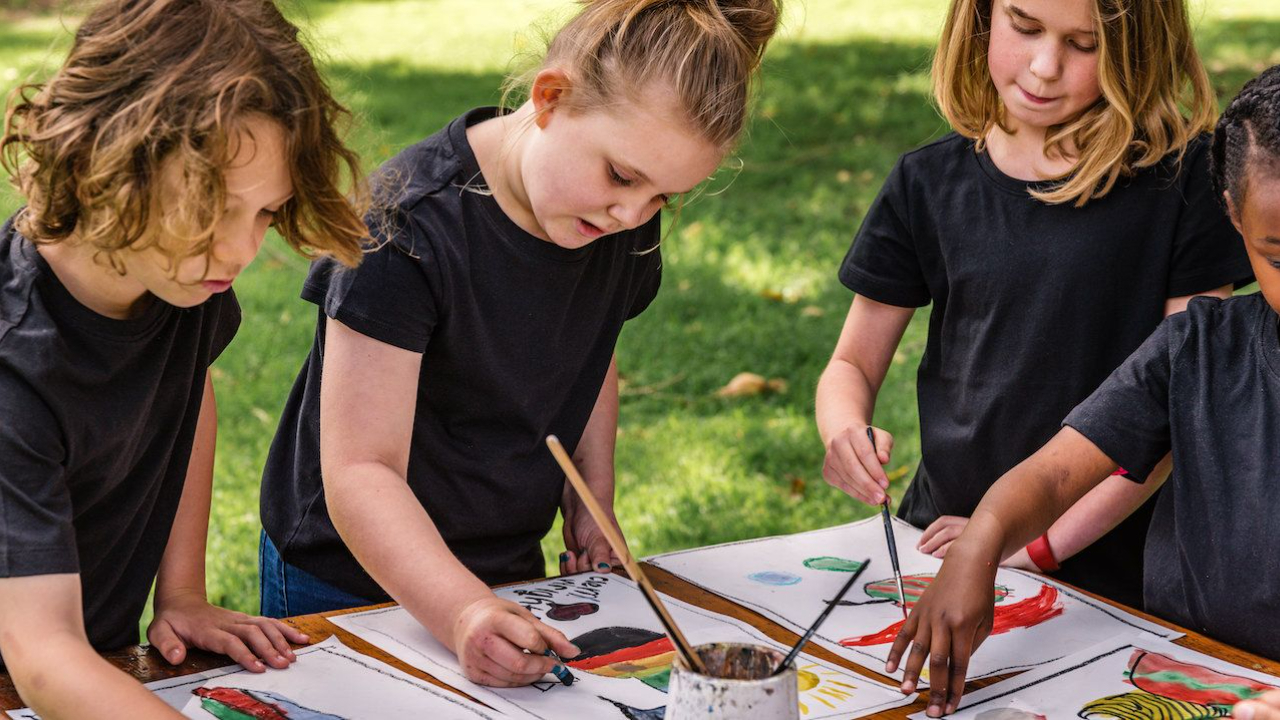
Social emotional learning for kids (SEL) is one of the most important foundations for success in both school and life. In this guide, we’ll explore what SEL is, why it matters, and how art can play a powerful role in supporting emotional development in children.
What Is Social Emotional Learning (SEL)?
Social emotional learning for kids (SEL) is the process of helping children understand and manage their emotions, build relationships, and make responsible decisions.
Many frameworks, such as those outlined by CASEL (Collaborative for Academic, Social, and Emotional Learning), define SEL across five key areas including self-awareness and relationship skills:
- Recognise and name their emotions
- Manage feelings like frustration or anxiety
- Show empathy for others
- Build positive relationships
- Make thoughtful, responsible choices
According to research, SEL is foundational to both academic success and wellbeing, helping children develop the skills they need for school—and life beyond it .
Many frameworks (such as CASEL) group SEL into five key areas:
- Self-awareness
- Self-management
- Social awareness
- Relationship skills
- Responsible decision-making
These are not “extra” skills—they are the foundation of learning itself.
Why Social Emotional Learning Matters for Children
Studies have shown that social emotional learning programs improve both emotional wellbeing and academic performance in children. Strong emotional development in children impacts far more than behaviour. If you’d like to explore this further, you can read more about the social and emotional benefits of creativity in early childhood.
Research shows that children who develop strong social and emotional skills:
- Perform better academically
- Show improved focus and motivation
- Build healthier friendships
- Demonstrate better problem-solving skills
- Develop resilience and confidence
In fact, SEL programs have been shown to improve both emotional wellbeing and academic outcomes across classrooms.
For teachers and homeschoolers, this means one thing:
When children feel safe, understood, and confident, they learn better.
Why Art Plays a Key Role in Social Emotional Learning
This is where things get powerful. Research shows that participation in the arts supports emotional expression, empathy, and social development in children (Americans for the Arts).
Art is not just a “creative subject”—it’s one of the most effective ways to teach SEL.
1. Art Helps Children Express Emotions Safely
Not every child has the words to explain how they feel.
Art gives them another language.
Through drawing, painting, and creating, children can:
- Explore complex emotions
- Express thoughts they can’t verbalise
- Process experiences in a safe way
Research highlights that the arts provide a safe space for emotional expression and self-reflection .
2. Art Builds Self-Awareness and Confidence
When children create something from nothing, they begin to understand:
- “This is how I see the world”
- “This is what I can do”
That builds:
- Confidence
- Identity
- A sense of ownership over their learning
For many children, guided creative experiences and step by step art lessons can help reduce overwhelm while building confidence gradually over time.
3. Art Encourages Empathy and Perspective-Taking
Art invites children to:
- See the world through different lenses
- Understand others’ experiences
- Reflect on emotions beyond their own
This naturally strengthens social awareness and empathy—two core SEL skills.
4. Art Supports Calm, Focus, and Emotional Regulation
Creative activities help children:
- Slow down
- Focus attention
- Regulate emotions
Even simple SEL activities like colouring, sketching, or guided drawing can help children move from overwhelm to calm. For a more reflective approach, explore our Mindful Moments lessons designed to support emotional wellbeing through art.
5. Art Strengthens Connection in the Classroom and at Home
Art is often shared—whether in a classroom or around the kitchen table.
This creates opportunities for:
- Conversation
- Reflection
- Positive connection
As noted by Edutopia’s guide to SEL through the arts, creative activities help students build social and emotional skills through meaningful interaction and expression.
Looking for simple ways to apply these ideas at home? Explore our guide to creative activities for kids at home and easy art ideas that support learning through creativity.
Practical SEL Activities Using Art
As highlighted by Edutopia, integrating the arts into learning helps students build social and emotional skills through creative expression and collaboration. Here are simple, effective SEL activities you can use in classrooms or homeschool environments:
🎨 Emotion Drawing
Ask children to draw:
- “What does happiness look like?”
- “What colour is calm?”
This builds emotional vocabulary and awareness.
Guided drawing for children can be especially powerful for helping beginner artists feel capable, calm, and successful through manageable creative steps.
🎨 Story-Based Art
Combine storytelling with drawing:
- Create a character facing a challenge
- Draw how they feel and how they overcome it
This supports empathy and problem-solving.
🎨 Reflective Art Time
After a lesson or day:
- “Draw something that made you feel proud today”
Encourages reflection and self-awareness.
🎨 Guided Step-by-Step Art Lessons
Structured lessons provide:
- A sense of safety
- Clear progression
- Opportunities for success
This is especially powerful for children who struggle with confidence.
Why SEL Through Art Works So Well
The reason art is so effective for emotional development in children is simple:
It combines:
- Thinking (cognitive learning)
- Feeling (emotional awareness)
- Doing (creative action)
Few learning experiences integrate all three as naturally as art.
Studies show that arts-based learning improves:
- Emotional expression
- Peer relationships
- Self-understanding
Supporting Social Emotional Learning at School and Home
Whether you’re a teacher or homeschool parent, the goal is not to “add more” to your day.
It’s to teach differently.
You can embed SEL into everyday learning by:
- Creating space for reflection
- Encouraging open-ended responses
- Using creative activities like art
- Allowing children to express themselves without pressure
Final Thoughts
Social emotional learning for kids is not optional—it’s essential.
And if you’re looking for one of the most natural, engaging, and effective ways to support it…
Art is it.
Through art, children learn to:
- Understand themselves
- Connect with others
- Build confidence
- Navigate emotions
And most importantly—they learn that their voice, their ideas, and their feelings matter.
Online art lessons can also support social and emotional learning when they give children time to slow down, follow a process, make choices and feel proud of what they create. A well-guided art lesson can help children build confidence, persistence and self-expression in a gentle, practical way.
You may also like:
Best Online Art Lessons for Kids: 2026 Guide
Ready to support your child or student's creativity and confidence?
Start with a free guided art lesson and see how it works.
Perfect for classrooms, homeschool environments, or quiet creative time at home.
Happy arty days,
Kirsty and the Artventure Team
FAQs About Social Emotional Learning
What is social emotional learning for kids?
Social emotional learning (SEL) helps children understand emotions, build relationships, and make responsible decisions.
What are examples of SEL activities?
SEL activities include emotion drawing, storytelling through art, reflective journaling, and guided creative lessons.
How does art support emotional development in children?
Art allows children to express emotions, build confidence, and develop self-awareness in a safe and creative way.
